

Organizational development in manufacturing depends on more than machinery and production capacity. It also requires capable people, well-designed processes, clear communication, and reliable information for decision-making. Artificial intelligence can support these areas when it is applied to specific business needs with appropriate oversight.
With this objective, Anwar Cement Limited partnered with NetCom Learning Bangladesh for a session on “AI for Organizational Development.” The program was conducted at the company’s cement factory in Munshiganj.
The session explored how AI can support selected organizational and administrative workflows within an industrial environment. Participants examined possible applications in reporting, information synthesis, resource planning, internal communication, knowledge management, and the analysis of workforce and operational data.
Workforce planning was an important part of the discussion. When supported by accurate and appropriately governed data, analytical tools may help organizations identify staffing patterns, capability requirements, training needs, and areas where resources could be allocated more effectively. Such insights should inform—not replace—decisions made by responsible managers.
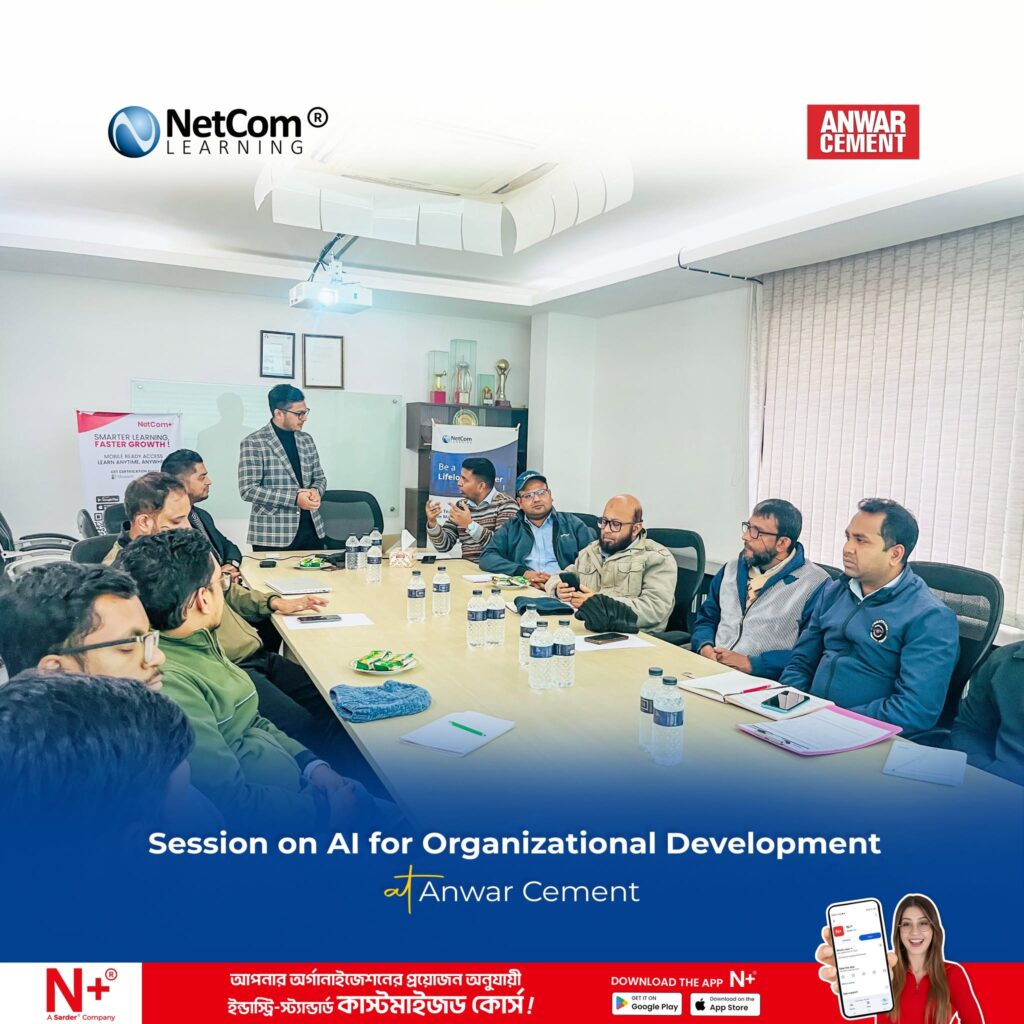
Participants also explored how AI-assisted tools can help organize complex reports and present operational information in clearer formats. This can make it easier for leaders to review trends, compare findings, and identify matters requiring further investigation.
The program was led by Fahmidul Alam, Subject Matter Expert at NetCom Learning Bangladesh and an AI CERTs® Certified Trainer. Through practical examples, he demonstrated how AI concepts can be connected with real organizational responsibilities instead of being treated as separate technical exercises.
Safety remained an area where human responsibility is essential. AI may assist with summarizing records, identifying patterns, or supporting preventive analysis, but it cannot replace approved safety procedures, engineering controls, inspections, or qualified professional judgment. Every recommendation must be validated before it influences factory operations.
Responsible use of employee and operational data was also emphasized. Organizations should use only authorized platforms, limit access to sensitive information, verify AI-generated outputs, and consider privacy, bias, explainability, and accountability—particularly when analytics could affect employees or workplace decisions.
The engagement reflected Anwar Cement Limited’s interest in strengthening its organizational capabilities alongside its manufacturing operations. By combining industrial experience with responsible digital practices, teams can explore new efficiencies while maintaining the quality, safety, and accountability required in heavy industry.
Special appreciation goes to Jafar Imam Sajal for coordinating the initiative and contributing to its successful delivery.
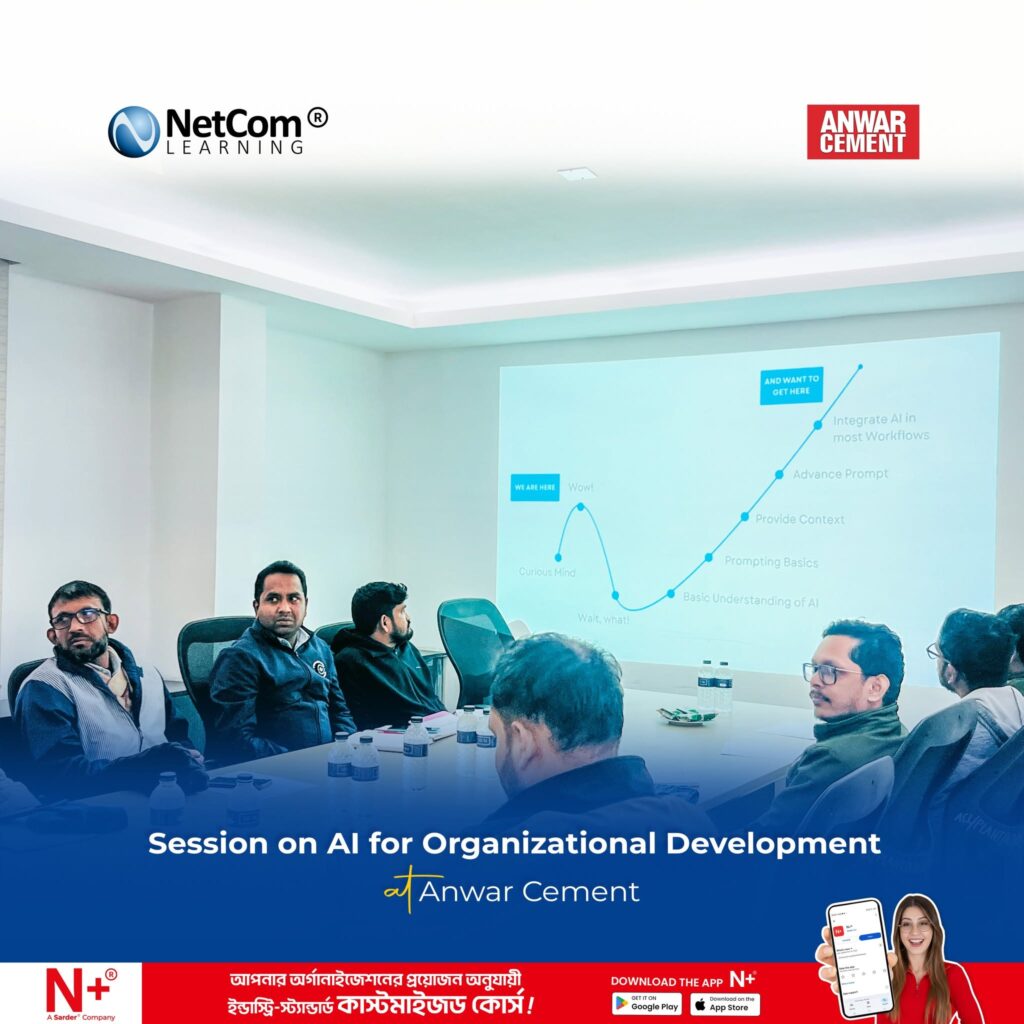
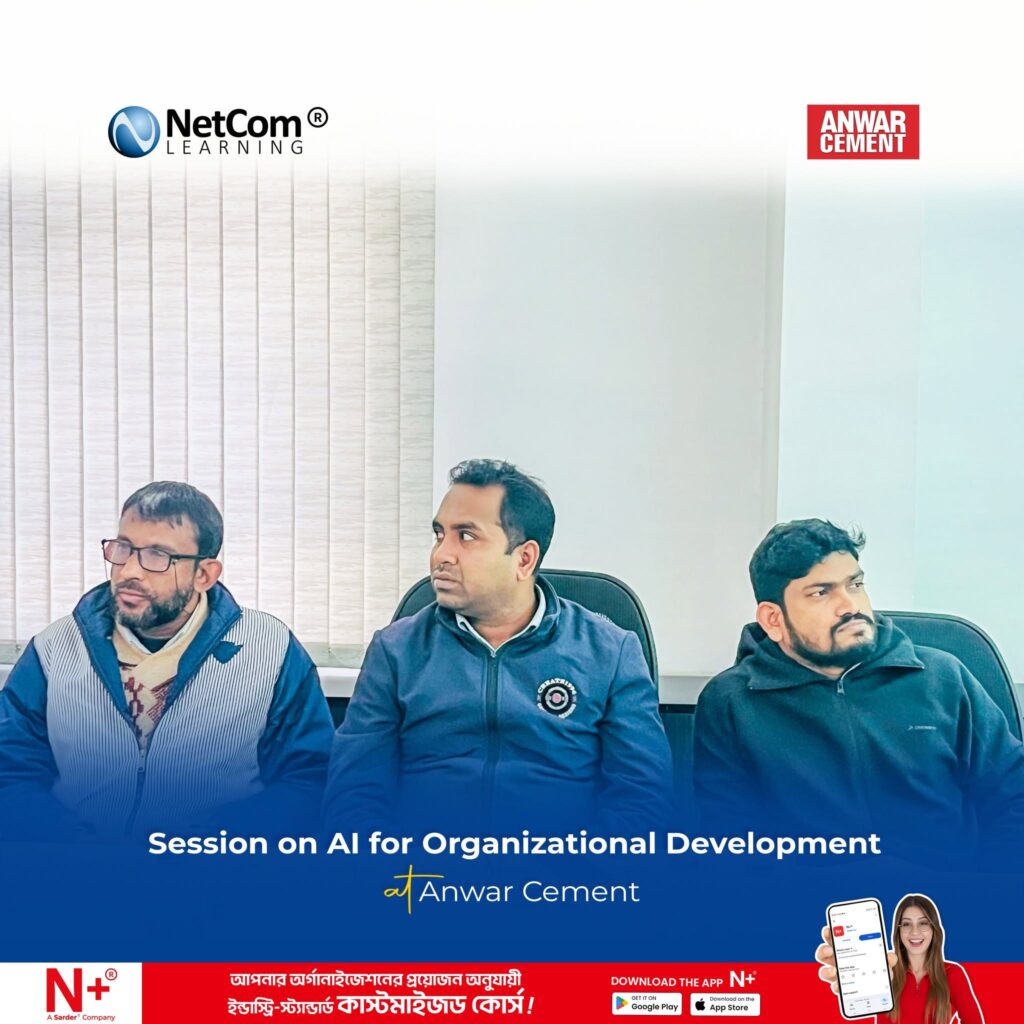
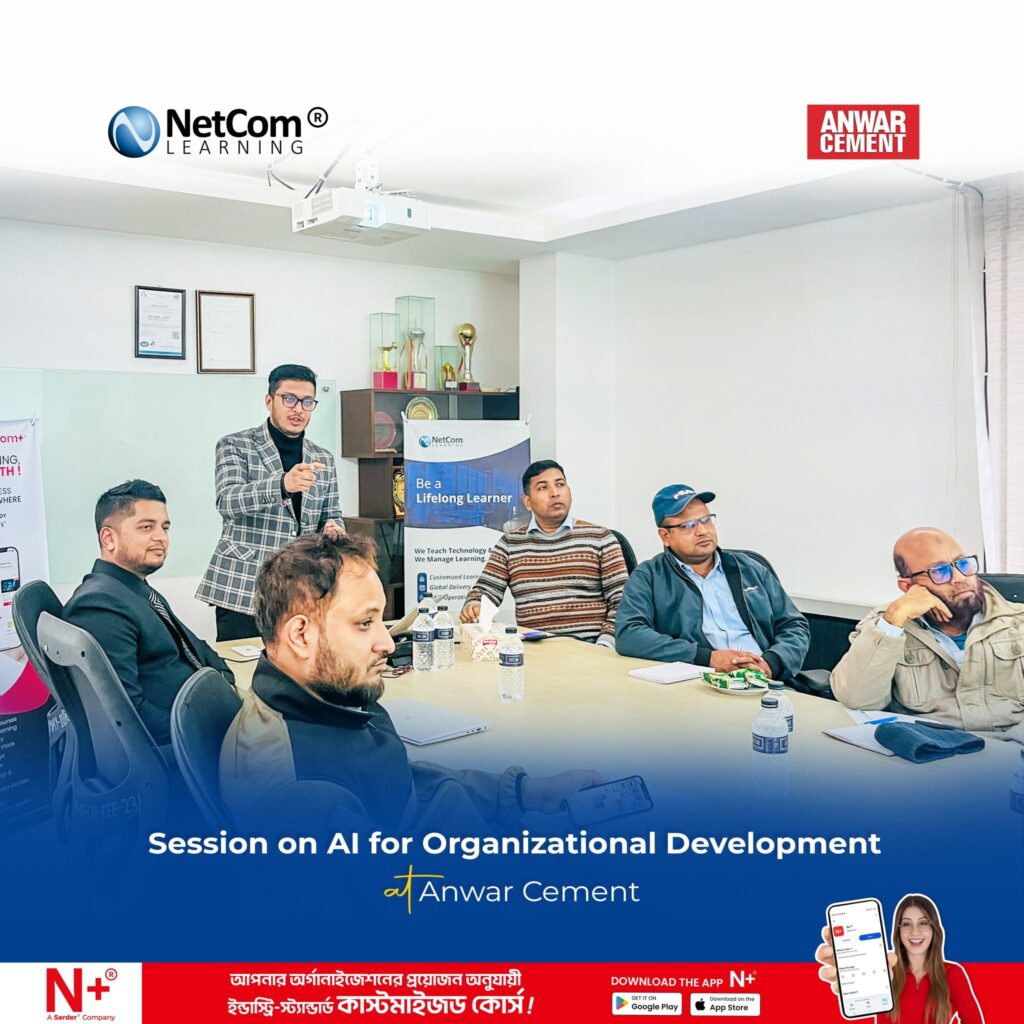
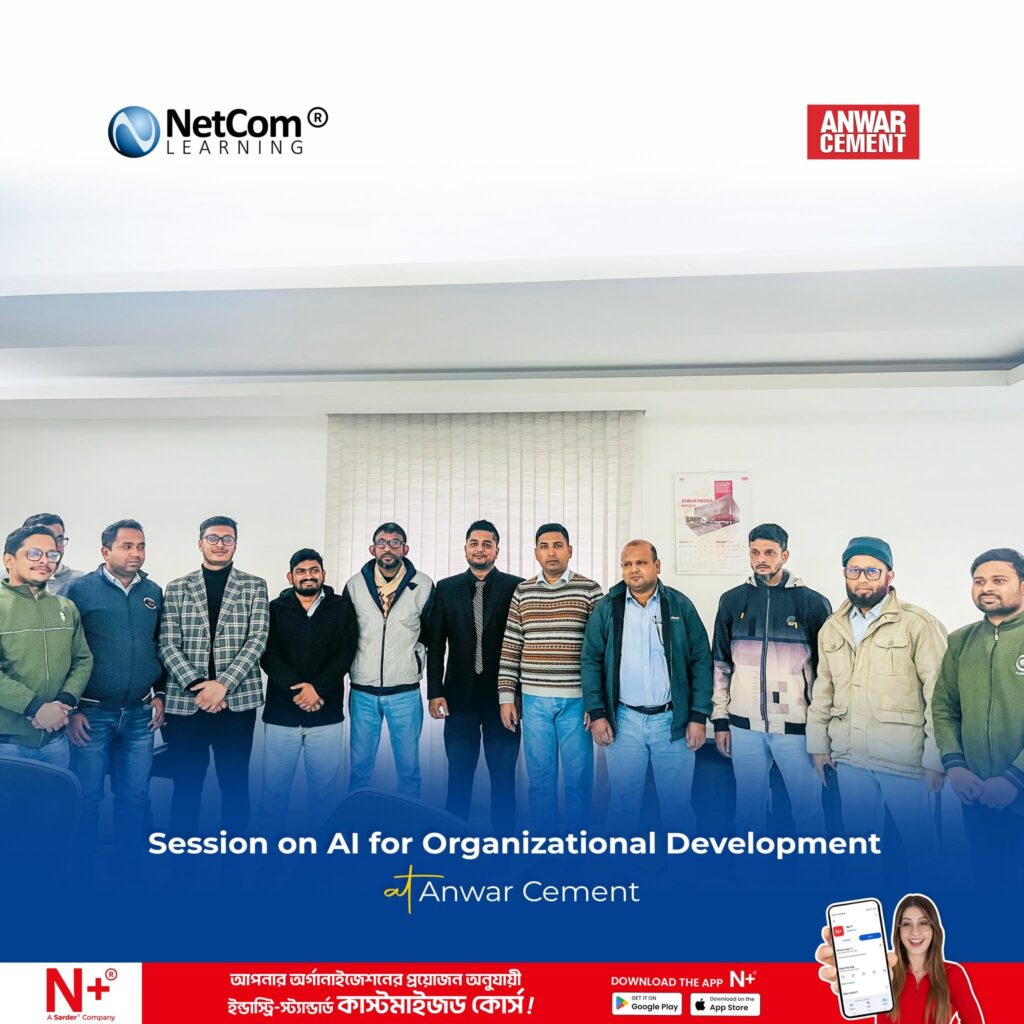
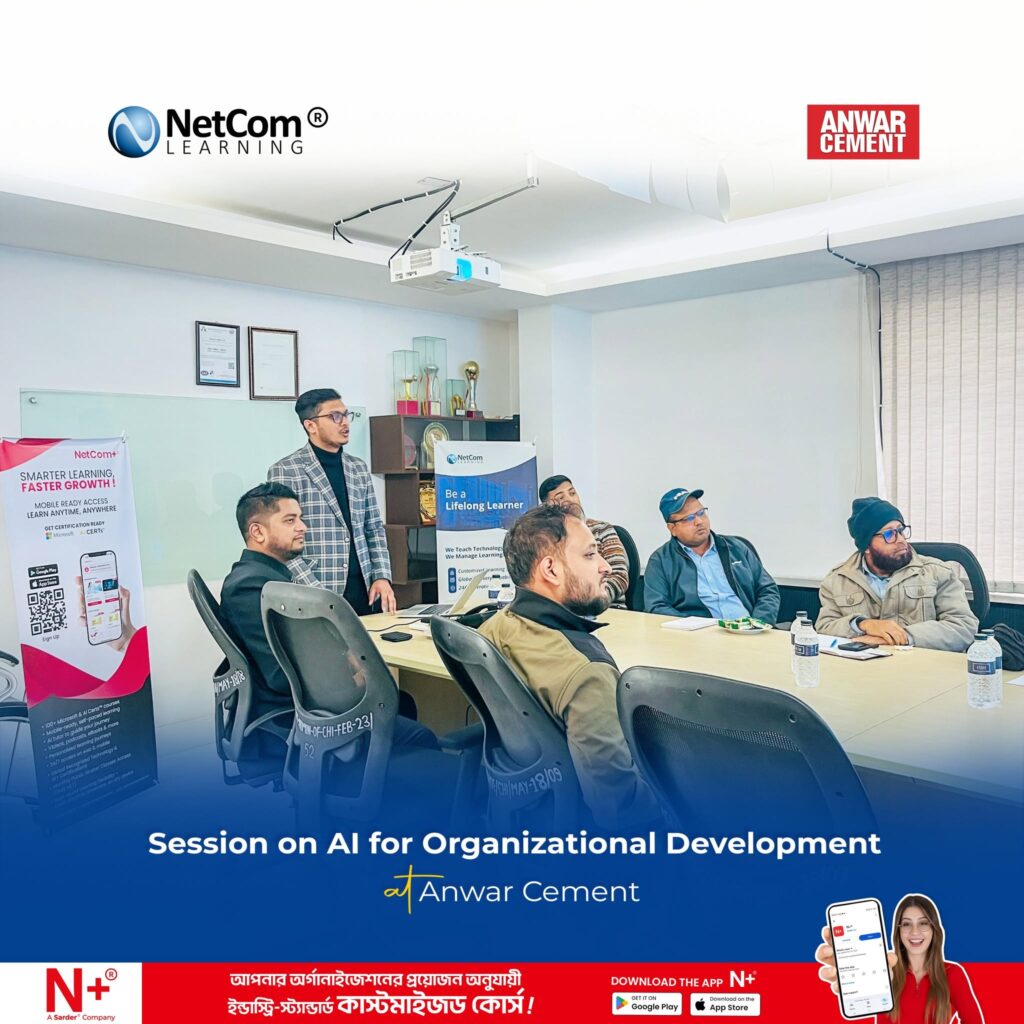
Here are a few glimpses from the AI for Organizational Development session at the Anwar Cement Limited factory in Munshiganj.
Leave a Reply