
Manufacturing productivity depends on the coordinated movement of information, materials, people, and decisions. For organizations supplying products to the construction and architectural sectors, delays in documentation, inventory visibility, procurement communication, or internal reporting can affect the wider operational chain.
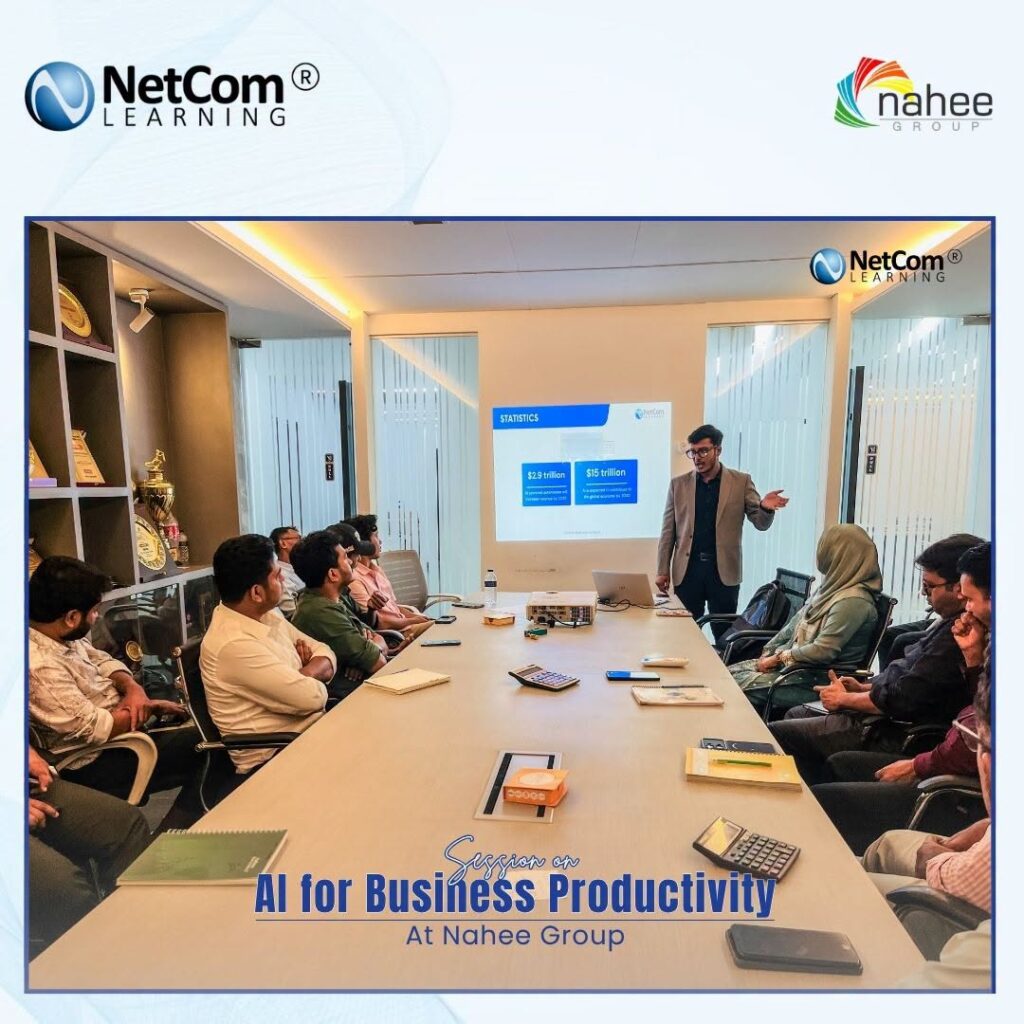
To explore how artificial intelligence could support these business functions, Nahee Group partnered with NetCom Learning Bangladesh for an exclusive session on “AI for Business Productivity.”
The session introduced AI as a practical workplace capability that can assist professionals with information-intensive and repetitive tasks. Participants explored how generative AI could support documentation, reporting, communication, data organization, and other recurring activities across business operations.
Supply chain documentation was one of the principal areas discussed. AI-assisted workflows can help teams prepare preliminary document structures, summarize approved records, compare requirements, and organize information for professional review. These applications can reduce administrative effort when incorporated into clearly defined processes.
The discussion also explored the role of AI in inventory analysis and demand forecasting. Intelligent tools can help identify patterns and prepare initial projections from appropriately governed data. However, such outputs must be considered alongside current stock levels, procurement lead times, production requirements, market conditions, and professional judgment.
Routine administrative workflows may also benefit from responsible automation. Meeting summaries, internal reports, standard correspondence, and information retrieval can often be completed more consistently when teams use structured prompts, approved information sources, and defined review procedures.
The session emphasized that productivity improvement does not come from adopting a tool in isolation. Organizations must first understand the existing workflow, identify the underlying bottleneck, assess data quality, assign responsibility, and determine how any improvement will be measured.
Human review remains essential for every consequential output. Procurement decisions, supplier communication, forecasts, pricing information, inventory recommendations, and operational commitments should be verified by authorized professionals before any action is taken.
Confidentiality must also be protected throughout the adoption process. Supplier agreements, customer information, pricing records, production data, inventory figures, and internal forecasts should only be processed through secure systems approved by the organization.
The session provided Nahee Group professionals with an opportunity to consider how AI could complement their operational knowledge and support more efficient business practices. Combining practical digital skills with strong governance can help manufacturing teams improve consistency without compromising accuracy, accountability, or data security.
We appreciate the collaboration with Nahee Group and the engagement of its professionals during the session. Their interest in responsible AI adoption reflects an important step toward building a more productive and digitally capable manufacturing workforce.

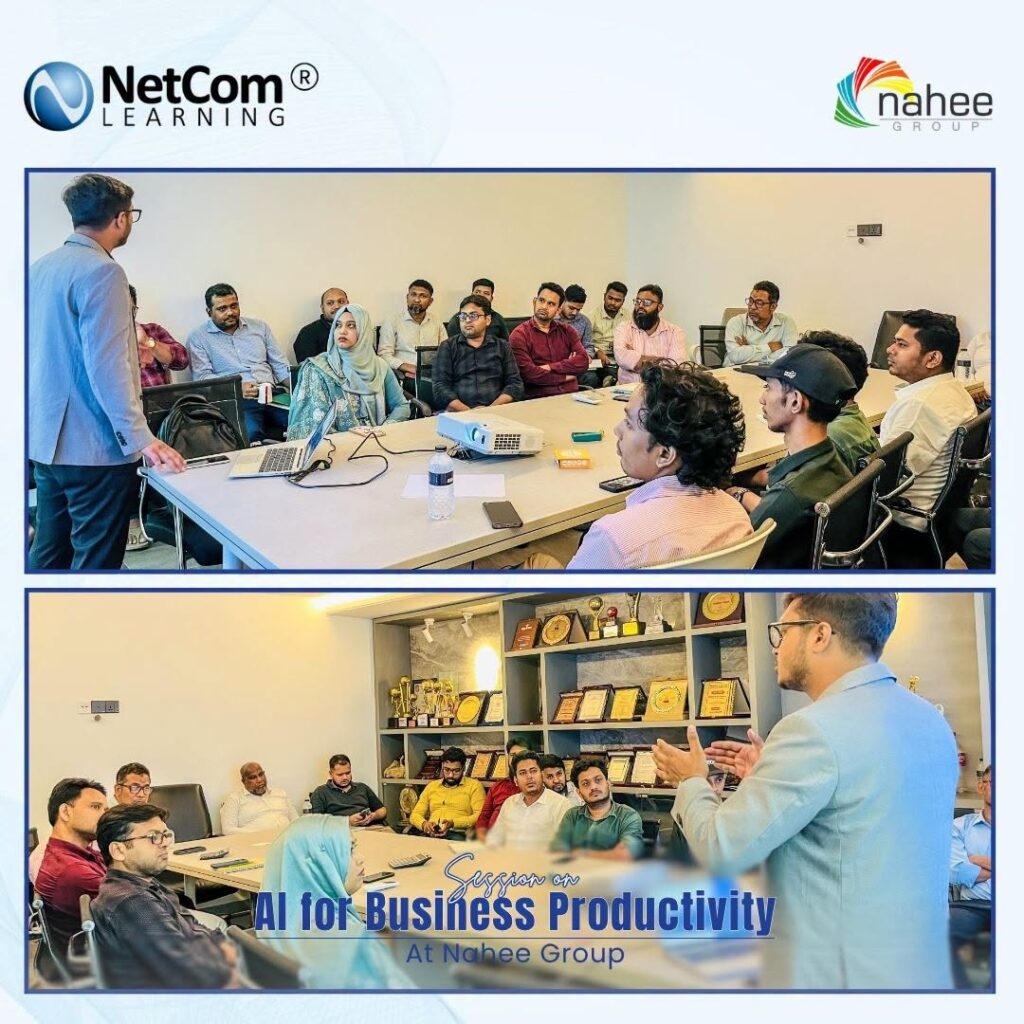
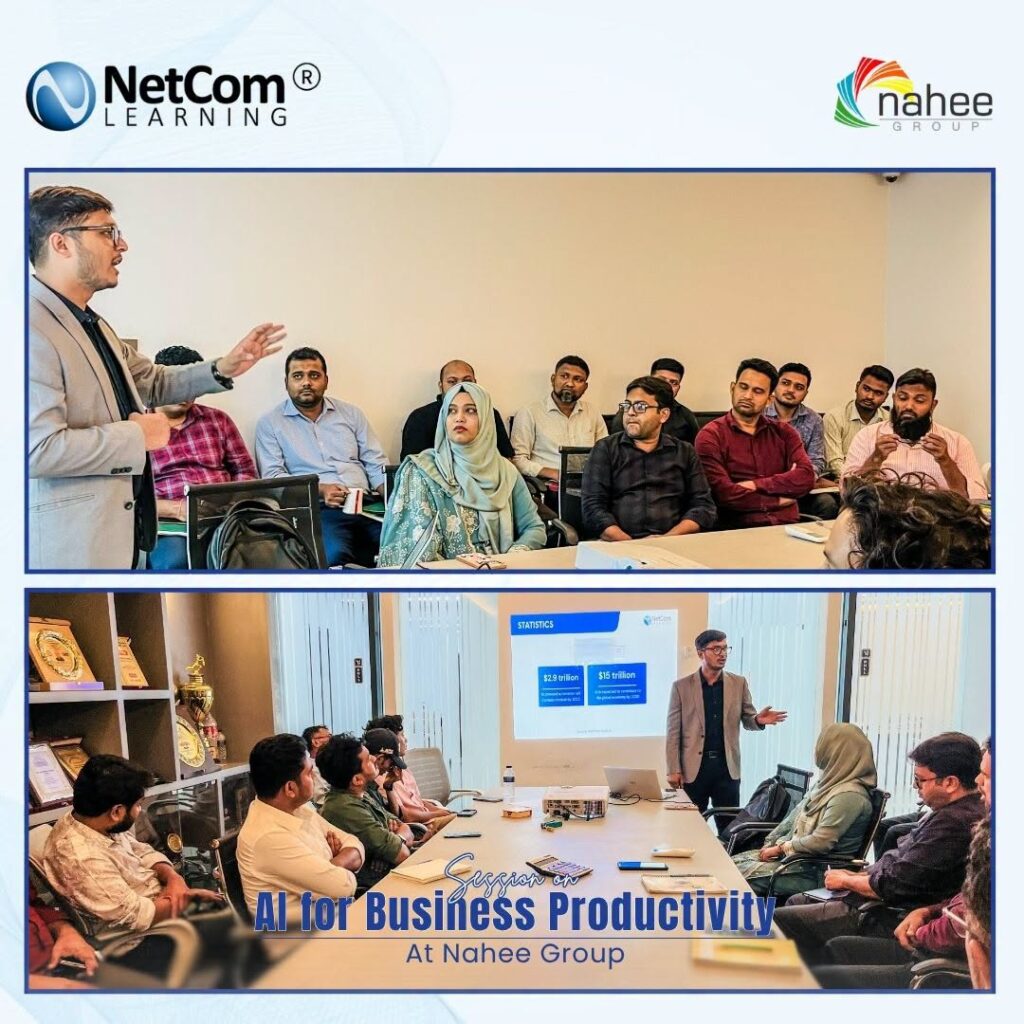
Here are a few glimpses from the AI for Business Productivity session at Nahee Group.
Leave a Reply