

Students spend a significant part of their academic and personal lives online. Learning platforms, social media, email, cloud storage, online payments, and professional networks offer valuable opportunities—but they also expose users to risks that are often difficult to recognize.
To build greater awareness of these risks, NetCom Learning Bangladesh hosted an interactive seminar on “Cyber Security and Digital Safety for Students” at Daffodil International University.
The seminar introduced DIU students to common cyber threats, including phishing, social engineering, malicious links, account theft, unsafe downloads, weak passwords, and the misuse of personal information. Participants explored how attackers often exploit human behaviour alongside technical vulnerabilities.
Practical discussions focused on creating strong and unique passwords, using multi-factor authentication, recognizing suspicious messages, reviewing privacy settings, updating devices, and protecting personal and academic data. Students also learned why they should verify requests before sharing sensitive information or clicking unfamiliar links.
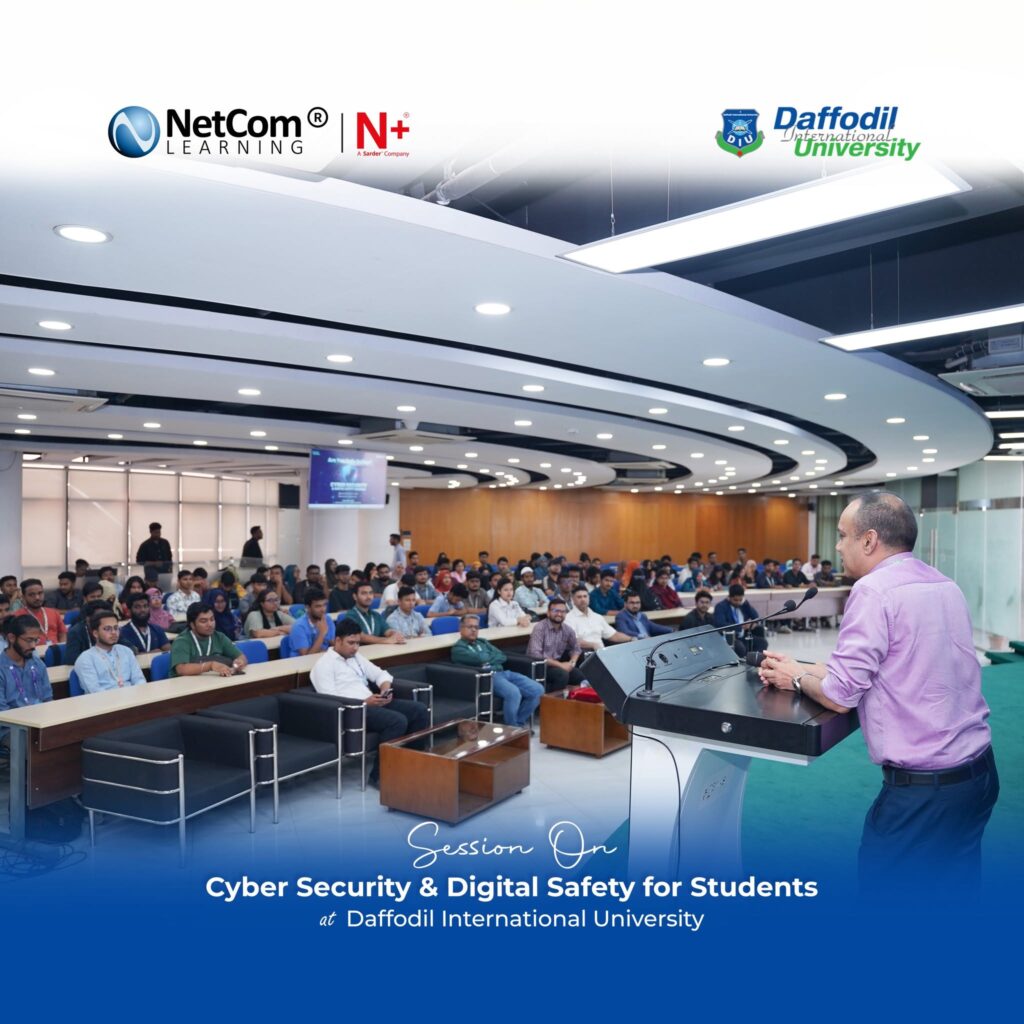
The session emphasized that digital safety is not achieved through a single tool. It depends on awareness, critical thinking, responsible online behaviour, and consistent security habits. Knowing how to identify and report suspicious activity can help students respond before a minor mistake develops into a larger problem.
By strengthening cyber awareness among university students, the seminar supported the development of safer and more responsible digital citizens. These skills will remain valuable as students progress from academic life into technology-driven workplaces and professional careers.
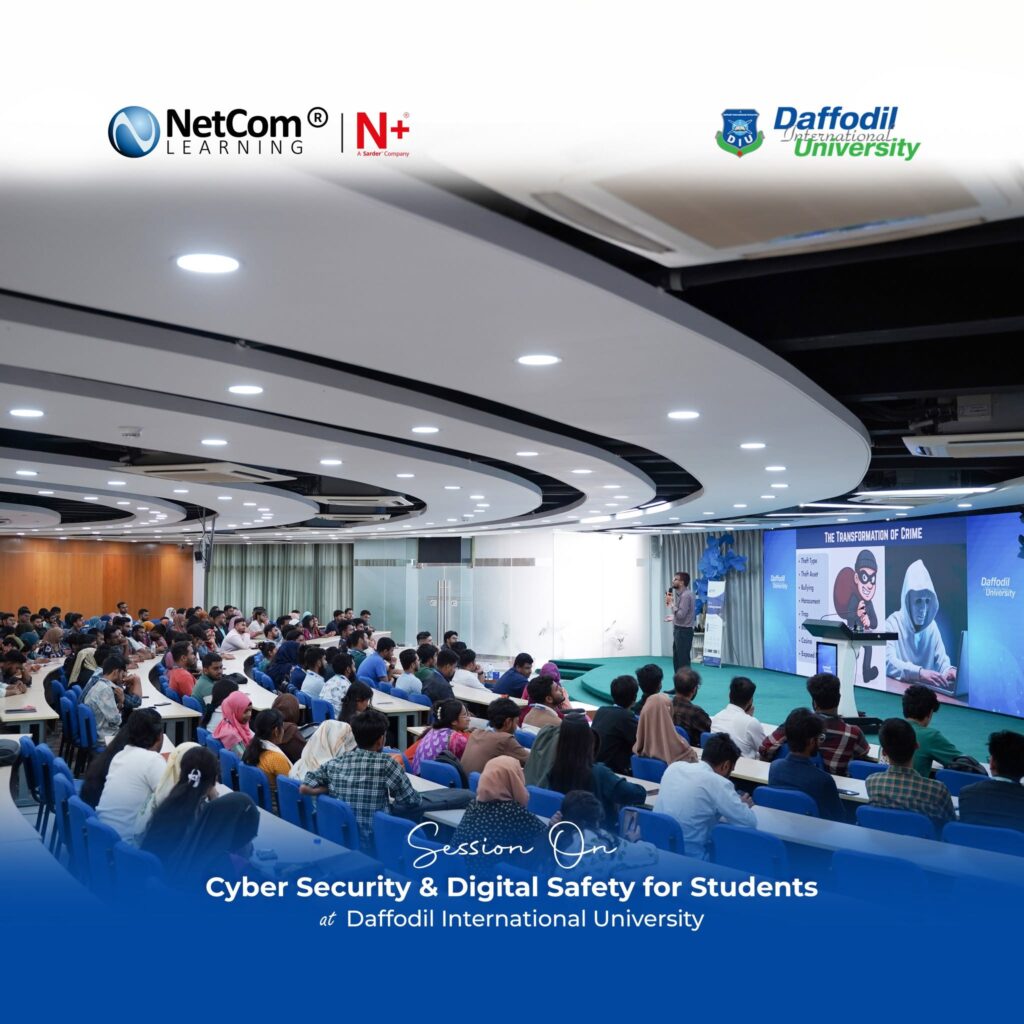
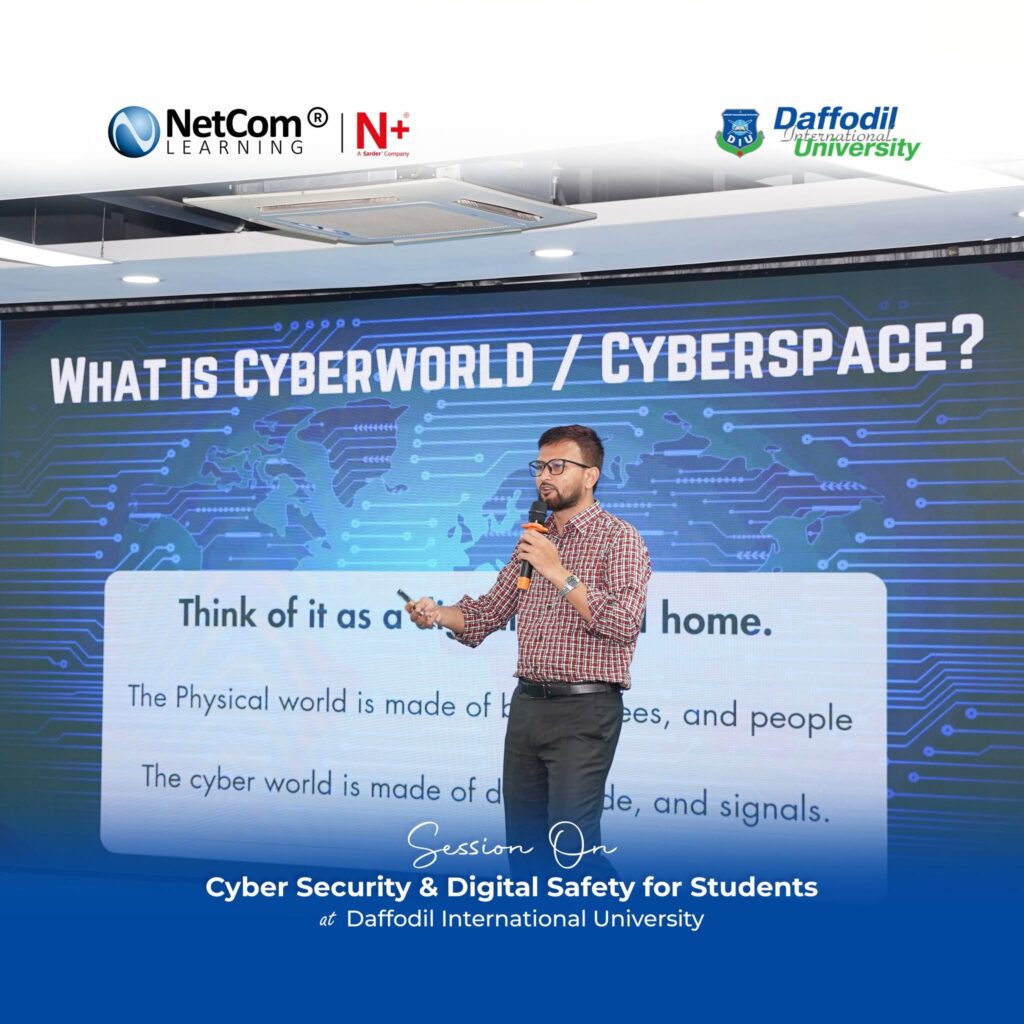
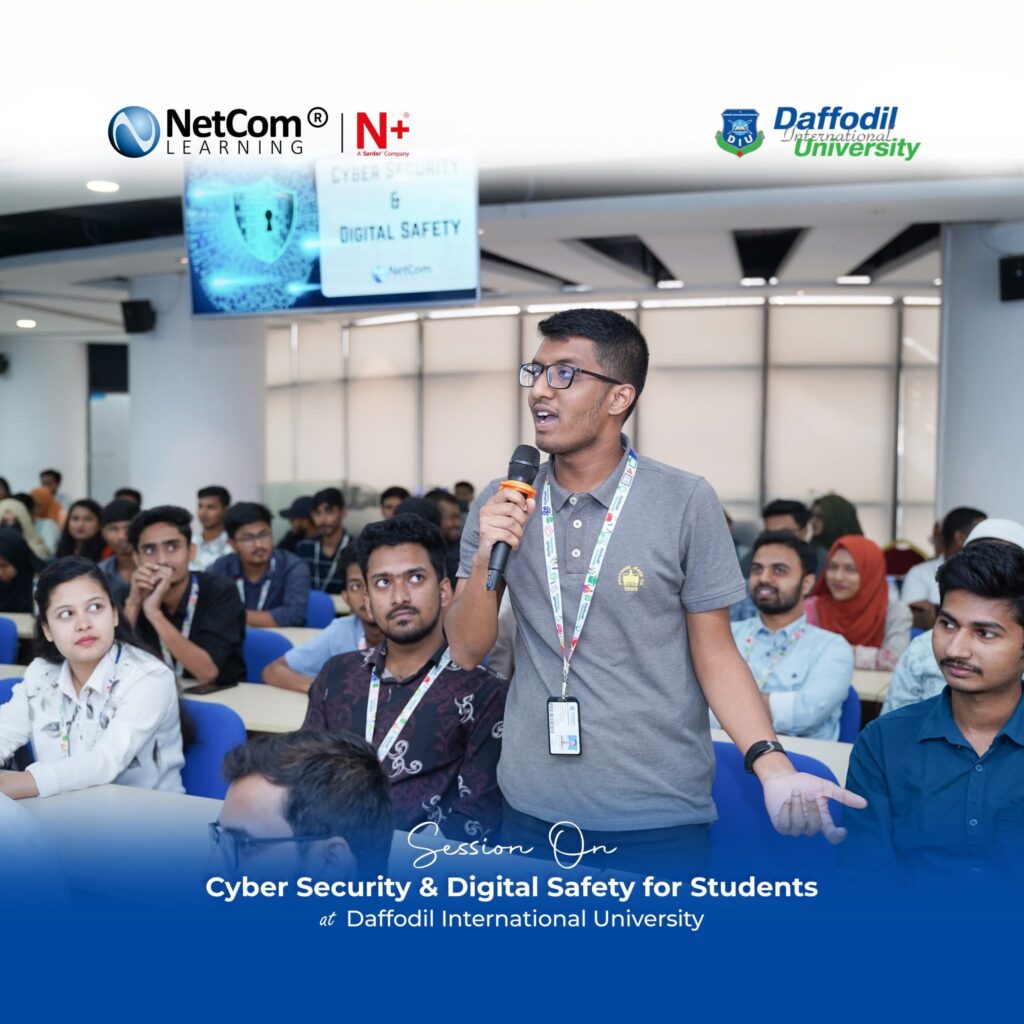
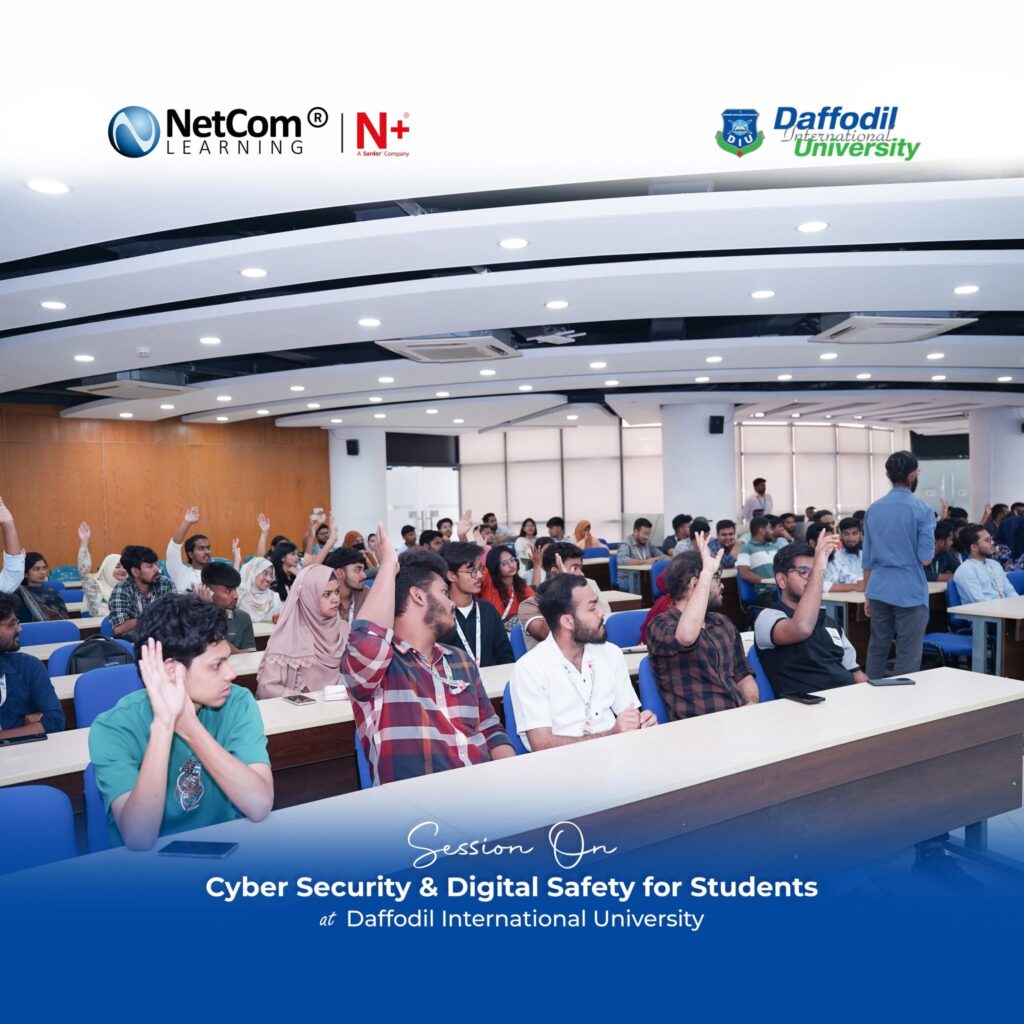
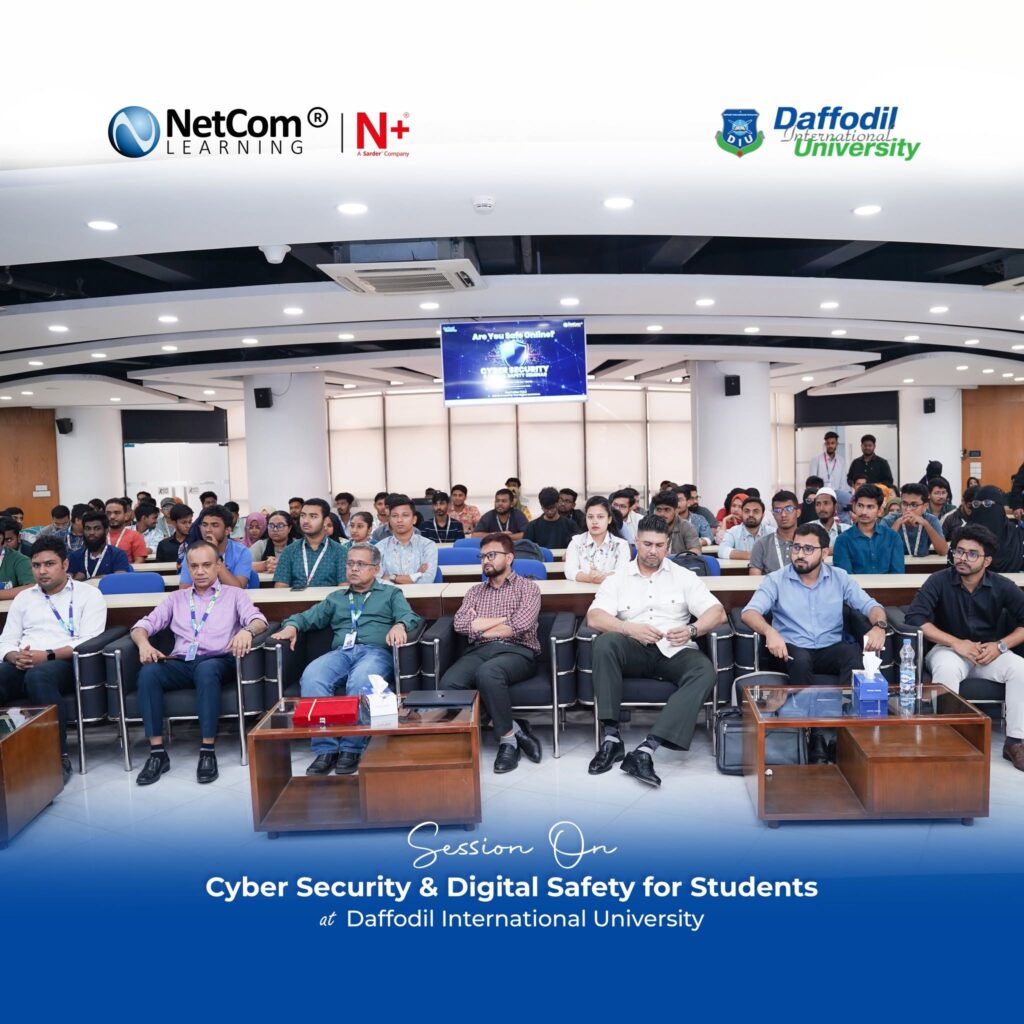
Here are a few glimpses from the Cyber Security and Digital Safety for Students seminar at Daffodil International University.
Leave a Reply